The True Cost of Food Waste in UK Restaurants
Food waste in the UK restaurant industry represents a staggering financial and environmental challenge. Every year, restaurants across the country lose millions of pounds due to excess inventory, spoilage, and inefficient demand forecasting. But the true cost extends far beyond the bottom line.
The Financial Impact
According to recent industry reports, UK restaurants waste approximately £682 million worth of food annually. For an average restaurant, this translates to roughly £10,000-£20,000 in lost revenue each year. These figures don't account for the additional costs of waste disposal, storage, and the labour involved in managing excess inventory.
The financial burden is particularly acute for fine dining establishments and high-volume operations. Premium ingredients that spoil represent not just the cost of the food itself, but also the lost opportunity to serve paying customers and the reputational damage of running out of popular menu items.
Environmental Consequences
Beyond the financial implications, food waste contributes significantly to climate change. When food decomposes in landfills, it produces methane—a greenhouse gas 25 times more potent than carbon dioxide. The restaurant industry's food waste accounts for approximately 920,000 tonnes of CO2 equivalent emissions annually in the UK.
Additionally, the resources used to produce wasted food—including water, energy, and agricultural land—represent a massive environmental cost. It takes approximately 1,000 litres of water to produce just one kilogram of food, making waste reduction a critical sustainability priority.
Common Causes of Restaurant Food Waste
Understanding the root causes is essential for developing effective solutions. The primary drivers include:
**Inaccurate demand forecasting**: Many restaurants rely on historical data or gut feeling, leading to over-ordering and excess preparation. Seasonal variations, weather patterns, and local events can dramatically impact customer traffic, but traditional forecasting methods struggle to account for these variables.
**Rigid menu planning**: Large, unchanging menus require restaurants to keep extensive inventories, increasing the likelihood of spoilage. Ingredients purchased for specific dishes may go unused if those items don't sell as expected.
**Poor inventory management**: Without real-time tracking systems, restaurants often lose track of what they have, when it expires, and how quickly it's being used. This leads to duplicate orders and forgotten ingredients spoiling in storage.
The Solution: Technology-Driven Waste Reduction
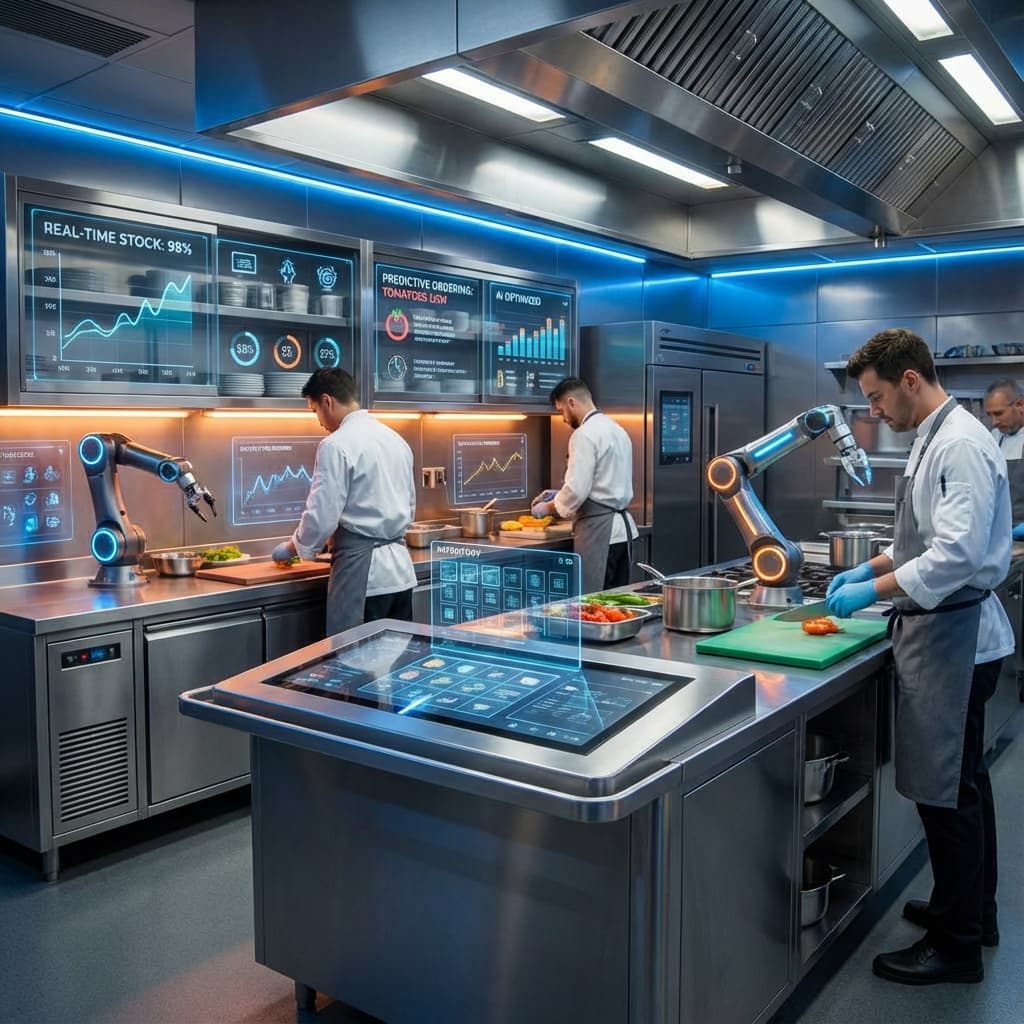
Modern technology offers powerful tools to combat food waste. AI-powered demand forecasting can analyse historical sales data, weather patterns, local events, and even social media trends to predict customer demand with remarkable accuracy. This enables restaurants to order precisely what they need, when they need it.
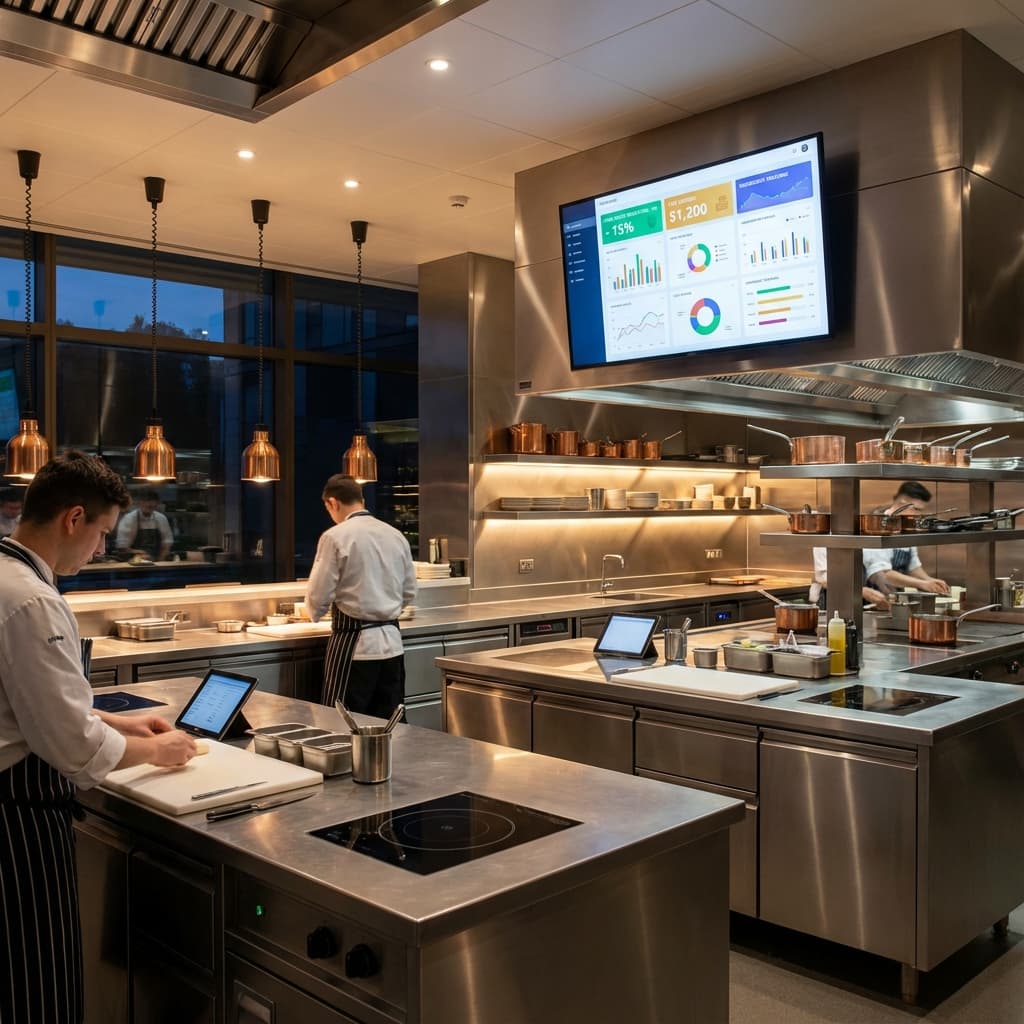
Real-time inventory tracking systems provide complete visibility into stock levels, expiry dates, and usage patterns. Automated alerts notify staff when ingredients are approaching their expiration dates, enabling proactive menu adjustments or promotional offers to move inventory before it spoils.
Platforms like Saveur take this a step further by connecting restaurants with local consumers and other businesses, creating a marketplace for surplus food. Rather than throwing away excess inventory, restaurants can sell it at a discount, recovering costs while reducing waste.
Taking Action
The path forward requires a combination of technology adoption, operational changes, and cultural shifts within the industry. Restaurants that prioritise waste reduction not only improve their profitability but also enhance their reputation among increasingly eco-conscious consumers.
By implementing smart inventory systems, adopting flexible menu planning, and partnering with platforms that facilitate surplus food sales, restaurants can dramatically reduce waste while improving their bottom line. The question is no longer whether to act, but how quickly the industry can embrace these solutions.
Key Takeaway
Food waste represents one of the most significant challenges—and opportunities—facing the UK restaurant industry today. With the right tools and strategies, restaurants can transform this challenge into a competitive advantage, reducing costs, minimising environmental impact, and building stronger connections with their communities.
Ready to Transform Your Business?
Join Saveur and start reducing waste while increasing profits with AI-powered inventory management.